English

Views: 0 Author: Site Editor Publish Time: 2026-03-24 Origin: Site

Have you ever wondered how fountains can thrive in changing seasons? The beauty of these water features can be affected by climate and seasonal changes. In this article, we'll explore how to design fountains that remain functional and visually appealing throughout the year. You'll learn about climate considerations, material choices, and innovative technologies for sustainable fountain design.
When designing fountains, understanding the climate is crucial. It influences not only aesthetics but also functionality and longevity. Seasonal changes can drastically affect how fountains operate, requiring careful consideration to ensure they remain effective and visually appealing year-round.
Temperature fluctuations are a primary concern for fountain design. In warmer climates, high temperatures can lead to increased evaporation rates, which can diminish water levels quickly. This not only affects the fountain's appearance but can also damage pumps if water levels drop too low. Designers often incorporate variable flow pumps that adjust based on temperature, ensuring optimal operation.
In colder regions, freezing temperatures pose significant risks. Water expands when frozen, leading to cracks in basins, pipes, and nozzles. To combat this, fountains may need winterization techniques, such as draining the system and using frost-resistant materials. Some designs include integrated heating elements to maintain water temperature above freezing, allowing for year-round use.
Wind is another critical factor in fountain design. Strong winds can disperse water sprays, reducing the visual impact and potentially leading to water loss. Designers often consider the prevailing wind patterns when determining spray angles and jet heights. For instance, in windy areas, lower spray heights or more robust jet designs can help minimize water loss and maintain the fountain's aesthetic appeal.
Additionally, incorporating surrounding landscaping can help shield fountains from direct wind exposure. Trees, shrubs, or architectural features can create microclimates that protect the fountain, ensuring it remains a focal point even in blustery conditions.
Rainfall and humidity play significant roles in the operational aspects of fountains. In regions with high rainfall, fountains must be designed to handle excess water. Overflow systems and adjustable pump controls can help manage variable water levels, preventing flooding and ensuring consistent operation.
In contrast, areas with low humidity may require additional water conservation strategies. Designers can employ closed-loop recirculation systems that filter and reuse water, significantly reducing consumption. These systems not only conserve water but also maintain better water quality, as the same water is continuously treated and circulated.
By integrating these climate considerations into fountain design, architects and engineers can create resilient, beautiful water features that thrive in varying environmental conditions. This approach not only enhances the aesthetic value of public spaces but also ensures fountains remain sustainable and functional throughout the seasons.
Tip: When designing fountains, always consider local climate patterns to ensure optimal functionality and aesthetic appeal throughout the year.
Designing fountains that can adapt to seasonal changes is essential for maintaining their functionality and aesthetic appeal throughout the year. Different climates present unique challenges, and understanding how to address these can enhance the fountain's longevity and visual impact.
Choosing the right materials for fountains is vital. Different materials respond differently to temperature fluctuations, moisture, and sunlight exposure.
Stone and Concrete: These materials offer durability but can crack in freezing temperatures if water seeps into small fissures. Sealing these materials can help prevent moisture penetration.
Metal: Stainless steel, bronze, and copper are popular for their strength and resistance to corrosion. Stainless steel is particularly effective in extreme temperatures, while copper develops a unique patina over time.
Fiberglass and Resin: Lightweight and flexible, these materials are excellent for seasonal climates. They resist cracking from temperature changes and are often used in designs that need to endure varying weather conditions.
Fountains in colder climates require specific winterization techniques to prevent damage from freezing temperatures.
Drainage Systems: Incorporate accessible drainage systems to quickly remove water before winter. Automatic drainage features can simplify this process, activating when temperatures drop.
Removable Components: Design fountains with removable nozzles and pumps. This allows for easy storage during winter, protecting these components from freezing.
Heating Elements: In regions where freezing is a concern, integrated heating elements can keep water temperatures above freezing, allowing for year-round operation.
Flexibility in water flow and levels is crucial for adapting fountains to seasonal changes.
Variable Flow Pumps: These pumps can adjust flow rates based on the season. Higher flow rates may be suitable in warmer months, while lower rates can conserve water during dry spells.
Automatic Water Level Controls: Systems that monitor and maintain water levels can compensate for evaporation in summer or heavy rainfall in spring, ensuring smooth operation without manual intervention.
Fountains can accumulate debris, especially during transitional seasons like spring and fall. Designing for easy debris management can reduce maintenance efforts.
Skimmers and Filters: Incorporate skimmers to capture floating debris before it sinks. High-capacity filters can keep the water clean, minimizing manual cleaning.
Accessible Pump Areas: Ensure that pumps and filters are easily accessible for routine maintenance. Removable grates or covers can facilitate quick access.
Debris Screens: Install screens over water inlets to prevent large debris from clogging the pump system, particularly in areas with falling leaves.
Fountains can also be designed to change aesthetically with the seasons, enhancing their visual appeal year-round.
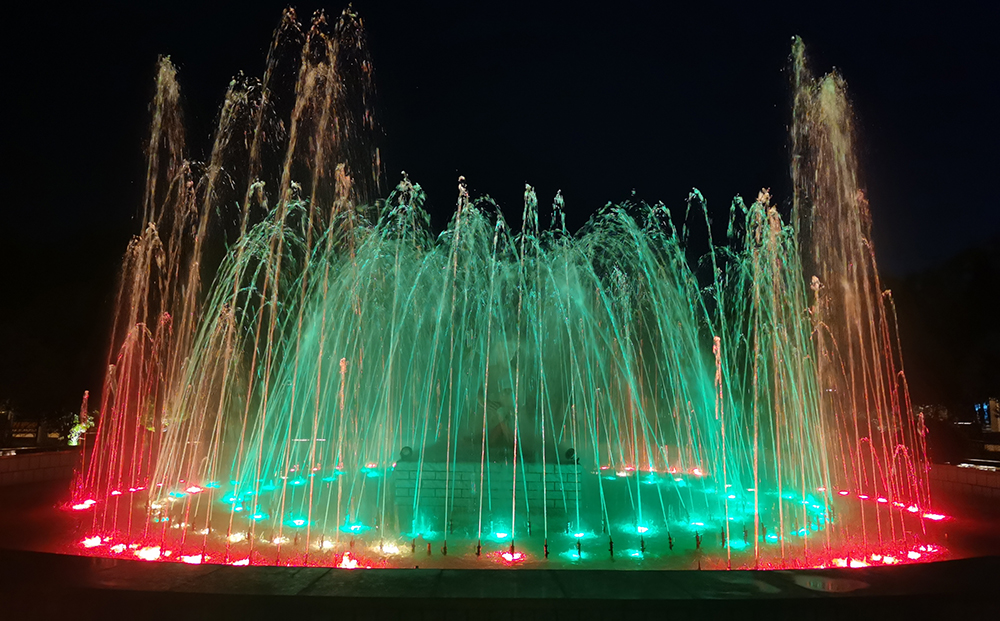
Lighting: Use programmable LED lighting to change colors and intensities throughout the year. This can create a cozy atmosphere in winter or a refreshing vibe in summer.
Seasonal Plant Integration: Surround the fountain with seasonal flora that complements its appearance. Different blooms can create an evolving landscape that enhances the fountain’s appeal.
Modular Elements: Designing fountains with interchangeable components allows for easy customization throughout the year, keeping the feature engaging regardless of the season.
By incorporating these strategies, fountain designers can create adaptable installations that withstand seasonal changes, ensuring they remain functional and visually captivating throughout the year.
Designing fountains sustainably is essential in today’s environmentally-conscious world. Sustainable practices not only help in conserving resources but also enhance the aesthetic and functional value of water features. Here are some key aspects to consider when creating eco-friendly fountains.
Water conservation is a primary focus in sustainable fountain design. One effective method is the implementation of closed-loop recirculation systems. These systems continuously filter and reuse the same water, significantly reducing the need for fresh water intake. By eliminating constant water discharge, designers can minimize waste and maintain better water quality.
Another strategy involves incorporating rainwater harvesting systems. These systems capture rainwater from roofs and other surfaces, which can then be used to refill fountains. This not only conserves potable water but also helps manage stormwater runoff, making it a dual-purpose solution.
Energy efficiency is crucial for sustainable fountain operations. Utilizing variable frequency drive (VFD) pumps allows for adjustments in motor speed based on actual demand. This can lead to energy savings of up to 60% compared to traditional fixed-speed pumps.
In addition, LED lighting is an excellent choice for illuminating fountains. LEDs consume significantly less energy than traditional lighting options and can be programmed for dynamic color changes, adding visual appeal without excessive energy use.
The choice of materials plays a vital role in sustainable fountain design. Opting for recycled materials, such as reclaimed stone or recycled stainless steel, can significantly reduce the environmental impact of fountain construction. These materials not only maintain durability but also contribute to a lower carbon footprint.
Additionally, using low-VOC (volatile organic compounds) sealants and coatings ensures the safety of both construction workers and the environment. Such materials minimize harmful emissions, making the fountain safer for public spaces.
Sustainable fountain designs should also consider ease of maintenance. Incorporating features like self-cleaning systems can help reduce the frequency of manual cleaning, saving both water and labor. Regular maintenance schedules should be established to ensure the fountain remains functional and visually appealing without excessive resource use.
Finally, engaging the community in the fountain's design and maintenance can foster a sense of ownership and responsibility. Educational programs can highlight the importance of water conservation and sustainable practices, encouraging visitors to appreciate the fountain as both an aesthetic feature and a resource management tool.
By integrating these sustainable practices, fountain designers can create water features that are not only beautiful but also environmentally responsible. These designs contribute to the overall health of urban ecosystems and promote a culture of sustainability.
Tip: When designing a fountain, always consider incorporating water-saving technologies and eco-friendly materials to enhance sustainability and reduce environmental impact.
Modern fountain design increasingly incorporates adaptive technology to ensure consistent performance throughout the seasons. This technology allows fountains to respond dynamically to environmental changes, enhancing both functionality and aesthetic appeal. Here are some key components of adaptive fountain technology that can significantly improve year-round performance.
Smart control systems are at the forefront of adaptive fountain technology. These systems use sensors and automation to monitor environmental conditions, adjusting fountain operations accordingly. For example, temperature sensors can trigger heating elements to prevent freezing in colder months, while wind sensors can adjust spray patterns to minimize water loss during gusty conditions.
Automated systems can also manage water levels, ensuring fountains maintain optimal performance without manual intervention. By automatically compensating for evaporation in the summer or heavy rainfall in the spring, these systems help maintain the fountain's beauty and functionality year-round.
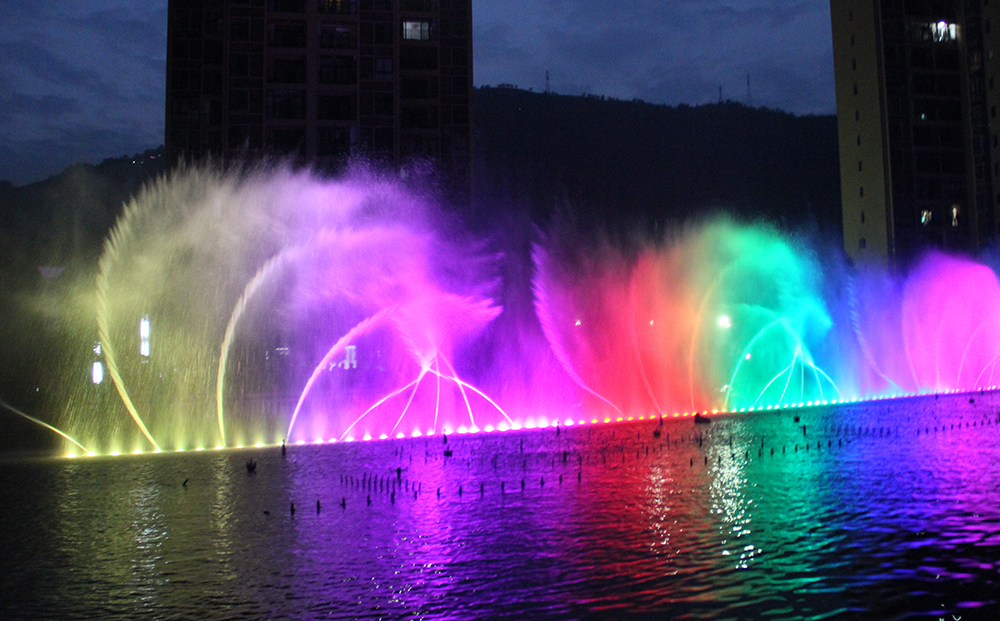
Lighting plays a crucial role in enhancing the visual appeal of fountains, especially during evening hours. Programmable LED lighting systems allow for dynamic color changes and patterns that can be adjusted based on seasonal themes or special events. For instance, warm tones can create a cozy atmosphere during winter, while vibrant colors can invigorate the fountain in the summer.
Additionally, programmable water patterns can be synchronized with music or events, creating a multisensory experience that captivates visitors. This adaptability not only enhances the aesthetic value of the fountain but also provides an engaging experience for the audience throughout the year.
Real-time monitoring solutions enable fountain operators to keep track of various operational parameters, such as water quality, pump performance, and energy consumption. These systems can send alerts for maintenance needs, ensuring that any issues are addressed promptly before they escalate into major problems.
For example, water quality sensors can detect changes in pH or clarity, prompting immediate action to maintain optimal conditions. This proactive approach not only extends the lifespan of the fountain but also enhances the visitor experience by ensuring clean and safe water features.
Designing fountains that can withstand extreme weather conditions is vital for ensuring their longevity and functionality. From scorching heat to freezing temperatures, fountains face various challenges that require thoughtful design solutions. Here, we will explore how to tackle these challenges effectively.
In hot and dry climates, fountains must be designed to minimize water loss due to evaporation. Here are some strategies:
Shaded Areas: Position fountains in shaded locations to reduce direct sunlight exposure. This helps lower evaporation rates.
Reflective Surfaces: Use materials with reflective properties, such as light-colored stone or tile, to keep the water cooler and reduce heat absorption.
Water Recycling Systems: Implement closed-loop water systems that recirculate water, significantly reducing the need for fresh water and minimizing waste.
For example, fountains in desert resorts often utilize these strategies to maintain vibrant displays while conserving water.
Fountains in colder regions face the risk of freezing, which can lead to significant damage. Here’s how to protect them:
Winterization Techniques: Design fountains with easy access to drainage systems. Drain the fountain before the first freeze to prevent water from expanding and cracking the basin or pipes.
Frost-Resistant Materials: Use materials like fiberglass or specially treated concrete that can withstand freezing temperatures without cracking.
Heating Elements: In areas where fountains need to operate year-round, consider integrating heating elements. These can prevent water from freezing, allowing the fountain to remain a functional feature even in winter.
For instance, some urban parks in northern climates have fountains equipped with heating systems, enabling them to provide a beautiful spectacle throughout the year.
Wind can disperse water and reduce the visual impact of fountains, while heavy rains can cause flooding or overflow. Here are some design considerations:
Wind-Resistant Designs: Create lower spray heights or more robust jets to minimize water loss in windy conditions. Consider the prevailing wind direction when positioning the fountain.
Overflow Systems: Install overflow drains and adjustable pump controls to manage heavy rainfall. These systems help maintain consistent water levels and prevent flooding around the fountain.
Surrounding Landscaping: Use trees and shrubs to create windbreaks. This not only protects the fountain but also enhances the overall aesthetic of the area.
For example, fountains located in coastal areas often incorporate these features to withstand strong winds and rain.
By addressing these challenges, fountain designers can create resilient installations that enhance outdoor spaces regardless of extreme weather conditions. These thoughtful design strategies not only improve functionality but also ensure that fountains remain visually appealing and engaging year-round.
Fountain design has evolved significantly, especially in response to seasonal and climate considerations. Several projects exemplify how thoughtful design can enhance functionality and aesthetics while adapting to environmental conditions. Here are some notable case studies of climate-adaptive fountains that illustrate successful implementations and the lessons learned from them.
Banff Cascade Gardens Fountain, CanadaLocated in a region with diverse seasonal changes, this fountain utilizes a variable flow pump system. The design allows water levels to adjust according to the season, ensuring optimal performance year-round. In winter, the fountain is drained, and removable components are stored to protect them from freezing temperatures. This approach minimizes maintenance and enhances the fountain's longevity.
Longwood Gardens, PennsylvaniaKnown for its stunning seasonal displays, the fountains at Longwood Gardens feature modular components and advanced lighting systems. These fountains change throughout the year, adapting to different seasonal themes. During spring, they may showcase vibrant colors, while winter displays create a cozy, inviting atmosphere. This adaptability keeps the gardens visually engaging regardless of the season.
Fountain of Wealth, SingaporeThis iconic fountain is designed to withstand the region's tropical climate, which includes heavy rainfall and high humidity. The fountain incorporates a closed-loop water system that recycles water, reducing overall consumption. Additionally, its structure is designed to manage excess rainfall, preventing overflow and maintaining water quality. The design not only enhances aesthetics but also aligns with sustainability goals.
Integration of Technology
Many successful fountain designs incorporate smart technologies, such as automated control systems that adjust water flow based on weather conditions. This integration ensures fountains remain functional during varying climatic challenges, such as high winds or extreme heat. For instance, some fountains use sensors to detect wind speed, adjusting spray patterns to minimize water loss.
Community Engagement
Projects like the Chicago Crown Fountain highlight the importance of community involvement in fountain design. This interactive fountain features digital displays that engage the public, making it a social hub. Such designs encourage local residents and visitors to connect with the space, enhancing the fountain's role in urban life.
Seasonal Adaptations
Seasonal adaptations are crucial for maintaining visitor interest and aesthetic appeal. For example, the Dubai Fountain changes its water patterns and lighting based on seasonal events and celebrations, creating a dynamic visual experience. This adaptability not only attracts visitors but also reinforces the fountain's significance as a cultural landmark.
Seasonal adaptations significantly enhance the visitor experience at fountains. By providing diverse visual displays throughout the year, fountains can draw crowds during different seasons. For instance, fountains that incorporate seasonal plantings or themed decorations can create unique atmospheres, encouraging repeat visits.
Moreover, the sounds and sights of water features can evoke emotional responses, making them more than just decorative elements. They become focal points for relaxation, social interaction, and community gatherings. By leveraging climate-responsive design and seasonal adaptations, fountain designers can create engaging experiences that resonate with diverse audiences.
Designing fountains requires a deep understanding of climate and seasonal changes. Temperature, wind, and humidity significantly affect functionality and aesthetics. Sustainable practices, such as water conservation and the use of eco-friendly materials, are crucial for modern fountain design. By integrating adaptive technologies, fountains can maintain their appeal year-round. JSL FOUNTAIN offers innovative solutions that enhance sustainability and performance, ensuring that fountains remain vibrant features in urban spaces. Their products provide lasting value and beauty for any environment.
A: Fountains are decorative water features that circulate water, creating visual and auditory appeal. They function through pumps that maintain water flow and can be designed to adapt to various climates.
A: Climate consideration is crucial in fountain design to ensure functionality, longevity, and aesthetic appeal, as seasonal changes can impact water levels and material integrity.
A: To maintain fountains during winter, implement winterization techniques such as draining the system and using frost-resistant materials to prevent damage from freezing temperatures.
A: Sustainable fountain design promotes water conservation, energy efficiency, and the use of eco-friendly materials, enhancing both environmental responsibility and aesthetic value.
A: Common issues with fountains can include low water levels and pump malfunctions. Regular maintenance, including checking for clogs and ensuring proper water flow, can help troubleshoot these problems.