English

Views: 0 Author: Site Editor Publish Time: 2026-06-02 Origin: Site

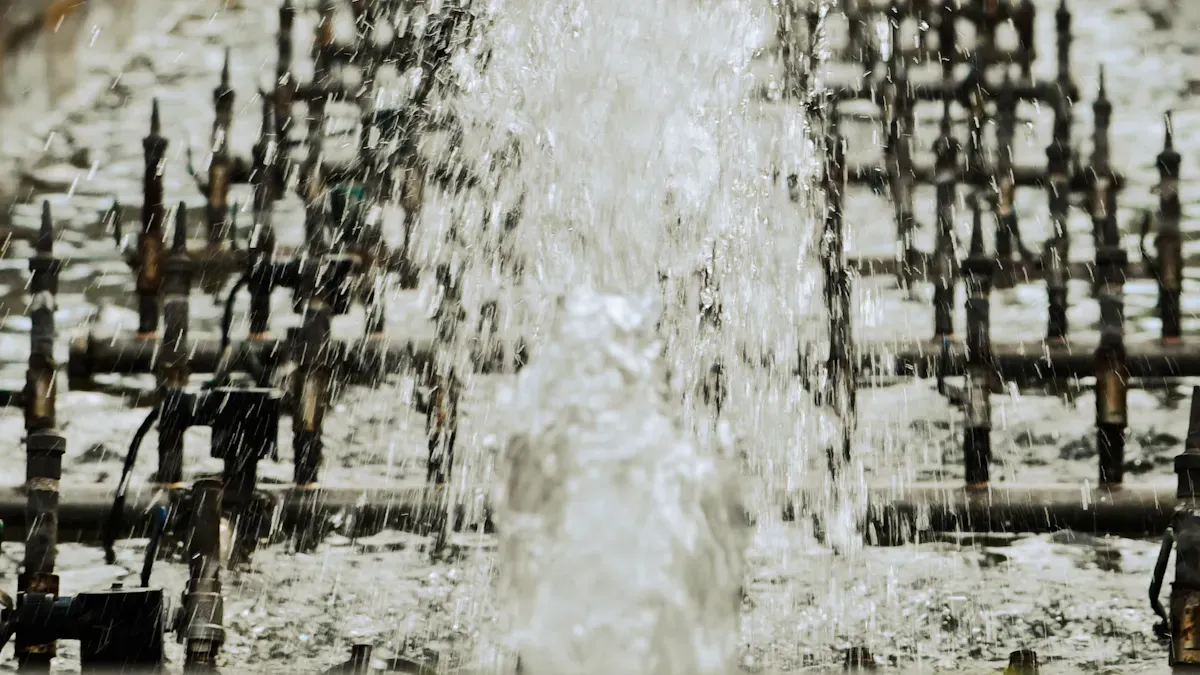
You experience the magic of water fountains every time you see water dancing or flowing in a graceful pattern. How do water fountains work? They use a pump to move water from a hidden reservoir, sending it through tubes and out a fountain head to create beautiful displays. You find many types in everyday life, from wall-mounted models in commercial buildings to large floor fountains in parks. Modern fountains now use digital displays and programmable effects, so you can enjoy creative water shows with easy controls. With regular cleaning and simple care, you keep your fountain running smoothly and enjoy a relaxing atmosphere at home or work.
Type of Water Fountain | Description |
|---|---|
Outdoor Water Fountains | Commonly used in parks and public spaces. |
Indoor Water Fountains | Found in buildings and private spaces. |
Wall-Mounted Fountains | Space-efficient, ideal for commercial use. |
Tabletop Fountains | Smaller, decorative fountains for indoor use. |
Floor Fountains | Larger installations, often in public areas. |
Specialty Fountains | Includes musical or interactive models. |
Water fountains use a pump to move water from a reservoir to create beautiful displays.
Different types of fountains include outdoor, indoor, wall-mounted, tabletop, and specialty models.
The reservoir stores water and recycles it, making fountains eco-friendly and easy to maintain.
The pump determines the height and flow of water, with options for gentle or dramatic effects.
Tubing guides water from the pump to the fountainhead, ensuring smooth flow and customization.
Fountain heads shape water into various effects, enhancing the visual and auditory experience.
Modern fountains use digital technology for interactive displays and programmable effects.
Regular cleaning and maintenance keep fountains running smoothly and looking beautiful.
You rely on the reservoir as the heart of your fountain. This hidden tank stores the water that keeps your fountain running. The reservoir makes installation simple and ensures water circulates smoothly. It holds the pump, which draws water and sends it through the system. Because the reservoir recycles water, you use less water than with a direct line-in system. This design saves resources and supports eco-friendly living. You also find maintenance easier, since you can access and refill the reservoir as needed.
You usually find the reservoir at the base or bottom of the fountain. In most indoor fountains, the reservoir hides beneath decorative panels or inside the fountain’s structure. Outdoor fountains often have larger reservoirs, sometimes built underground or disguised with rocks and landscaping. This smart placement keeps the water supply out of sight but always ready for action.
Tip: Choose a reservoir made from durable materials to ensure long-lasting performance and easy cleaning.
Common Reservoir Materials and Their Advantages:
Stainless Steel: Resists rust, easy to clean, and hygienic.
Copper: Fights bacteria, lasts long, and allows creative shapes.
Bronze: Stays strong, needs little care, and fits many designs.
Brass: Easy to shape, resists corrosion, and adds a touch of class.
Aluminum: Light, affordable, and stands up to the elements.
Concrete: Tough, customizable, and perfect for outdoor use.
Brick: Blends with surroundings and offers solid durability.
Resin: Light, simple to maintain, and budget-friendly.
Glass: Looks elegant and artistic, but needs careful handling.
Ceramic: Handles pressure well, but can be delicate.
You depend on the pump to bring your fountain to life. The pump sits inside the reservoir and draws water up through the tubing. It pushes water to the fountainhead, creating the flowing or dancing effect you love. The strength of the pump decides how high and fast the water moves. If you want a gentle trickle, you adjust the flow rate valve. For a dramatic splash, you choose a stronger setting. A reliable pump keeps your fountain running smoothly and prevents water from becoming stagnant.
The pump draws water from the reservoir and pushes it up through the tubing to the fountainhead.
The height and flow of the water are directly influenced by the effectiveness of the pump.
A weak pump may not push water high enough, while a strong pump can cause excessive splashing.
You have several pump options, each with unique benefits. Picking the right pump ensures your fountain works efficiently and matches your style.
Type of Pump | Benefits |
|---|---|
Submersible Pumps | Efficient, easy to install, low maintenance, waterproof, compact, adjustable flow rates. |
Centrifugal Submersible Pumps | Uses a spinning impeller to move water, great for steady flow. |
Axial-flow Submersible Pumps | Best for high flow and low height, ideal for wide, shallow fountains. |
Mixed-Flow Submersible Pumps | Combines centrifugal and axial features for more flow than pressure. |
Solar Submersible Pumps | Runs on solar power, perfect for eco-friendly and off-grid fountains. |
Note: Submersible pumps are the most popular choice for water fountains because they are quiet, easy to hide, and simple to maintain.
You count on tubing to guide water from the pump to the fountainhead. Tubing acts as the pathway, making sure water flows smoothly and reaches the display area. Without quality tubing, your fountain cannot create the beautiful effects you expect. Tubing also helps you control the direction and speed of the water, so you can customize your fountain’s look and sound.
You can choose from several types of tubing, each designed for specific needs. The right tubing ensures durability, prevents leaks, and supports the performance of your fountain.
Tubing Type | Size Range | Durability and Use |
|---|---|---|
Flexible PVC Tubing | 1-1/2" to 4" | Tough, handles freezing, great for big pumps, can be buried underground. |
Flexible Kink Free Tubing | 3/4" to 1-1/2" | Popular for water gardens, sturdy, connects easily with fittings. |
Flexible Black Vinyl Tubing | 3/8" to 1" | Best for small pumps, less tough, not for freezing weather. |
Pro Tip: Always match your tubing size to your pump for the best water flow and to avoid leaks.
When you understand these main parts, you gain the confidence to choose, install, and maintain water fountains that fit your space and style. With the right reservoir, pump, and tubing, your fountain will deliver beauty and relaxation for years to come.
The fountain head is where the magic happens. You control the look and feel of your water feature by choosing the right fountain head. This part shapes the water as it leaves the tubing, creating everything from gentle sheets to dramatic jets. If you want your fountains to stand out, focus on the fountain head.
You can transform a simple stream of water into a stunning display with the right nozzle. Each nozzle type creates a unique effect, letting you design the perfect atmosphere for your space. The table below shows how different nozzles influence water flow and visual impact:
Nozzle Type | Effect on Water Flow | Visual Impact |
|---|---|---|
V-Shape or Geyser | Pushes a thick column of water, providing excellent aeration and mixing. | Creates a strong visual presence. |
Tiered or Umbrella | Breaks water into smaller droplets, enhancing surface-level oxygen exchange. | Produces a delicate and balanced display. |
Bell Nozzles | Produces a soft, rounded sheet of water. | Ideal for quiet movement and elegance. |
High Stream Nozzles | Projects narrow, vertical columns for height and visibility. | Great for dramatic visual effects. |
You can create water columns, curtains, or even mist. Each shape brings a different mood. A tall, narrow jet grabs attention and adds excitement. A soft, bell-shaped sheet calms the mind and soothes the senses. By adjusting the height and speed, you make your fountains more dynamic and engaging. You can even synchronize water movement with music or lights for a show-stopping performance.
Tip: Experiment with different nozzle designs to find the effect that matches your vision. Small changes in the fountain head can completely transform your water feature.
You have endless options when it comes to fountain head styles. Each style fits a different setting and purpose. Choose a classic look for timeless elegance or a modern design for a bold statement. Here are some popular styles you can consider:
Three-tiered simple marble fountains work well at high-end residential entrances and French-style gardens.
Marble lion and figure statue fountains add grandeur to large community centers and cultural plazas.
Black granite Feng Shui ball fountains bring harmony to real estate entrances and commercial plazas.
Bethesda Angel of the Waters statue fountains create a peaceful vibe in hotel-style apartments and tourism towns.
Bronze observatory horse fountains make a strong impression in corporate developments and urban complexes.
Stainless steel rectangular water curtain fountains suit modern courtyards and office atriums.
Stainless steel circular water curtain fountains fit luxury communities and commercial complexes.
Corten steel circular fountains add creativity to parks and unique residential landscapes.
You can match the fountain head style to your architecture or landscape. If you want a custom look, you can work with a professional to design a unique piece. Modern fountains even allow you to program water patterns and lighting for special events or daily enjoyment.
Note: The right fountain head not only shapes water but also sets the tone for your entire space. Make your choice count and let your fountains become the centerpiece of your environment.
You want to understand how do water fountains work. The process starts with water collection and ends with a stunning display. Each step matters. You control the flow and create the effect you desire.
You begin with water stored in the reservoir. This hidden tank keeps your fountain ready for action. You refill the reservoir when needed. Clean water ensures your fountain looks beautiful and runs smoothly.
Tip: Use filtered water to prevent mineral buildup and keep your fountain sparkling.
You activate the pump. The pump draws water from the reservoir and pushes it through the tubing. You adjust the pump’s strength to change the height and speed of the water. A powerful pump creates dramatic jets. A gentle pump produces a calming trickle.
Pump Setting | Water Effect |
|---|---|
High Power | Tall, energetic jets |
Medium Power | Steady streams |
Low Power | Soft, quiet trickles |
You choose the setting that matches your mood or event.
You rely on tubing to guide water from the pump to the fountain head. The tubing acts as a pathway. You select tubing material based on durability and flexibility. Proper tubing prevents leaks and supports smooth water flow.
Flexible PVC tubing works well for large fountains.
Vinyl tubing fits smaller indoor models.
Kink-free tubing ensures uninterrupted movement.
You match tubing size to your pump for the best results.
You watch water emerge from the fountain head. The nozzle shapes the water into columns, sheets, or mist. You enjoy the visual and sound effects. After the display, water falls back into the reservoir. The cycle repeats. You never waste water because the system recirculates it.
Callout: You can synchronize water movement with lights or music for a show-stopping performance.
You benefit from a closed-loop system. This design keeps water inside the fountain, away from the atmosphere. You conserve water because evaporation drops significantly. You rarely need to add makeup water. The process fluid stays clean and uncontaminated. You enjoy higher efficiency and lower maintenance.
Closed-loop systems isolate water from the air, reducing evaporation.
You use less water and save money.
The water remains pure, so your fountain runs longer without issues.
You avoid contamination from dust or debris.
You achieve precise control over temperature and energy use.
You see closed-loop systems in data centers and advanced fountains. You gain peace of mind knowing your fountain is eco-friendly and efficient.
If you want to know how do fountains work, focus on the water flow and closed-loop design. You create a relaxing atmosphere and conserve resources. You make your space beautiful and sustainable. Water fountains deliver elegance and tranquility with every cycle.
Choosing the right power source for your water fountain makes a big difference in performance, cost, and convenience. You want a system that fits your needs and keeps your fountain running smoothly. Let’s explore the two main options: electric pumps and solar pumps.
You get reliable and consistent water flow with electric pumps. These pumps sit under the water in your reservoir and push water through pipes using a spinning impeller. Most electric pumps use centrifugal force to pressurize water, sending it up to the fountain head. You control the flow by adjusting the pump’s settings. Many modern fountains use a closed recirculating system, so water moves in a continuous loop. Some systems include a water filter with its own small pump to keep water clean. You also benefit from low-voltage lighting, usually 12 volts direct current, which adds safety and ambiance.
Tip: Choose a pump with adjustable flow to match your desired water effect.
You want peace of mind when using electric pumps. Submersible pumps are designed for safety. They operate underwater, which reduces the risk of electric shock. Waterproof sealing and thermal overload protection add extra layers of security. If the pump overheats, it shuts off automatically. Always check that your pump meets residential safety standards. You protect your family and property by following these guidelines.
Submersible pumps minimize electrical risks.
Waterproof construction keeps you safe.
Thermal overload protection prevents overheating.
Compliance with safety norms ensures reliable operation.
You can power your fountain with sunlight using solar pumps. These pumps convert solar energy into electricity through photovoltaic panels. Direct-drive solar fountains work only when the sun shines. Battery-backup models store energy for use during cloudy weather or nighttime. You enjoy lower electricity bills and reduce your ecological footprint.
Solar pumps need direct sunlight for best performance.
Battery backup lets your fountain run even without sun.
Panel angle and orientation affect energy capture.
You should choose solar pumps if you want an eco-friendly and cost-saving solution. Solar-powered fountains work best in sunny locations with little shade. You avoid wiring hassles and ongoing electricity costs. If you want your fountain to run at night, pick a model with battery storage.
Use solar pumps in gardens, patios, or remote areas.
Avoid shaded spots for maximum efficiency.
Consider battery backup for continuous operation.
Here’s a quick comparison to help you decide:
Power Source | Energy Efficiency Description | Cost Impact |
|---|---|---|
Solar-Powered Pumps | Utilize sunlight, reducing electricity costs and ecological footprints. | Cost savings on electricity bills |
Electric Pumps | Vary in energy consumption based on wattage and operational duration. Smaller pumps use less energy. | Higher costs depending on usage |
You can find energy use ranging from 2.5 watts for small indoor fountains to over 70 watts for large outdoor features. Every fountain uses a pump, so consider your energy needs before you buy.
Note: Solar pumps offer the best savings and sustainability, while electric pumps provide steady performance in any weather.
Modern technology has transformed how you experience water features. You no longer settle for static displays. Today, you can enjoy digital fountains that combine art, technology, and creativity to deliver unforgettable moments.
You can now watch water come alive with high-definition digital displays. These displays allow you to project videos, animations, and vibrant colors directly onto the water. JSL Fountain’s Indoor Digital Fountain uses this technology to create mesmerizing shows that capture attention in any setting. You can set the mood for a relaxing evening or energize a crowd during special events. High-tech public fountains, like those in Tel Aviv, even let you interact with the display, filling reusable containers with chilled, filtered water while real-time monitoring tracks usage and encourages responsible habits.
You gain full control over the look and feel of your fountain. With programmable effects, you can choreograph water, light, and sound to match any occasion. Digital fountains let you switch between gentle ripples and dramatic jets with just a few taps. The table below shows how digital fountains compare to traditional models:
Feature | Traditional Fountains | Digital Fountains |
|---|---|---|
Interactivity | Limited interaction | Highly interactive displays |
Visual Effects | Static water patterns | Dynamic, choreographed water movements |
Multimedia Integration | None | Supports videos, animations, and effects |
User Engagement | Passive viewing | Engages audiences through storytelling |
Technical Complexity | Lower technical demands | Higher technical and operational demands |
You can engage your audience with storytelling, music, and light shows. You create experiences that people remember.
You control every detail of your fountain with advanced systems like PLC (Programmable Logic Controller) and DMX (Digital Multiplex). These systems let you program water jets, lights, and even music to work together in perfect harmony. JSL Fountain’s Indoor Digital Fountain uses these technologies to deliver precise, repeatable performances. You can design custom shows for holidays, grand openings, or daily enjoyment.
Control System Type | Description |
|---|---|
Music Fountain Control System | Synchronizes music, water shapes, and lighting for a unified atmosphere. |
Programmed Fountain Control System | Uses PLC for customizable water and lighting patterns. |
Chasing Jet Fountain Control System | Controls electromagnetic valves for dynamic spray forms. |
Digital Fountain Controller | Offers flexibility and precision for synchronized, customizable effects. |
You can synchronize water movement, lighting, and sound for a seamless show. Advanced controls use AI and digital platforms to optimize performance, detect leaks, and improve efficiency. You get a reliable, energy-efficient fountain that always impresses.
Tip: Choose fountains made from stainless steel 304/316 or concrete for durability and creative freedom. These materials withstand weather and allow for unique designs that fit any space.
You now know how do fountains work in the digital age. You can create stunning, interactive displays that elevate any environment.
Keeping your water fountains in top shape ensures you enjoy their beauty and tranquility year-round. You can protect your investment and extend the life of your fountain with a few simple routines. Let’s break down the essential steps for easy maintenance.
You want your fountain to look inviting every day. Remove leaves, dirt, and other debris from the basin at least once a week. During stormy weather, check more often. Use a small net or your hands to scoop out anything floating on the surface. Regular cleaning prevents clogs and keeps water flowing smoothly.
Remove debris weekly or after storms.
Clean the basin and surrounding area to stop bacteria and algae from growing.
Replace filters every six months or as recommended.
Tip: Use a maintenance checklist to track your cleaning schedule and keep your fountain in perfect condition.
Algae can make your fountain look dirty and smell unpleasant. You can prevent algae by placing your fountain in a shaded spot and using distilled water. Scrub away any green buildup with a stiff brush and a mixture of white vinegar and water. Deep clean every few months, including the pump and tubing, to keep everything fresh.
Position your fountain away from direct sunlight.
Use distilled water to reduce algae growth.
Scrub with vinegar and water to remove stubborn spots.
Your pump is the heart of your fountain. To keep it running, clean it regularly. Unplug the pump, remove it from the reservoir, and rinse away any dirt or buildup. Use a soft brush to clean the impeller and housing. Avoid harsh chemicals that could damage the finish.
Gently scrub the pump with a vinegar-water mix.
Check for visible damage or blockages.
A clogged pump can stop your fountain from working. Inspect the pump and tubing for obstructions. If you notice weak water flow, check the filter and replace it if needed. Tighten any loose fittings to prevent leaks.
Note: Proactive maintenance saves you money and prevents major repairs.
If you live in a region with freezing temperatures, you must protect your fountain during winter. Drain all water and cover the fountain with a proper cover to prevent cracking from snow and ice. Elevate the base to avoid moisture buildup from soil or mulch. Avoid unreliable heaters and antifreeze products.
Cover your fountain securely.
Check the cover regularly for trapped moisture.
Never use harsh chemicals or abrasive tools.
When spring arrives, remove the cover and inspect your fountain for any damage. Clean the basin, pump, and tubing before refilling with fresh water. Replace filters and check that all parts work properly. Start your fountain and enjoy the soothing sound of flowing water once again.
Callout: Consistent care helps you clean a water fountain easily and keeps your fountains running beautifully for years.
You want your water feature to run smoothly every day. When problems arise, you can solve them quickly with the right approach. This section guides you through the most common issues and gives you practical solutions.
You should start by checking the power supply. Make sure the fountain is plugged in and the outlet works. Test the outlet with another device. If your fountain uses a timer or remote control, confirm that these devices have power and function correctly. Reset any tripped circuit breakers. If you use solar power, inspect the solar panel for dirt or shading. Clean the panel and adjust its angle for maximum sunlight.
If your fountain still does not run, focus on the pump. Unplug the pump and remove it from the reservoir. Examine the pump for visible damage or loose wires. Clean the pump and impeller to remove any buildup. Reinstall the pump and test it again. If the pump remains silent, you may need a replacement. Regular maintenance prevents most pump failures.
Common causes of water loss or stoppage include evaporation, splash, leaks, weather, design flaws, faulty plumbing, and poor water quality. You can prevent these by keeping your fountain filled, adjusting water flow, inspecting for cracks, and maintaining clean water.
You may notice weak water flow if debris blocks the pump or tubing. Inspect the pump, tubing, and fountain head for clogs. Remove leaves, algae, or dirt with a brush or running water. Check the filter and replace it if necessary. Clean all parts regularly to keep water moving freely.
Inspect pump and tubing for blockages.
Clean or replace filters.
Remove debris from the basin and water pathways.
Low water levels can also cause weak flow. Fill the reservoir to the recommended level. Monitor water loss due to evaporation, splash, or leaks. If you see water outside the fountain, check for cracks or faulty plumbing. Repair any damage promptly to restore proper function.
Cause of Weak Flow | Solution |
|---|---|
Clogged pump/tubing | Clean and remove debris |
Low water level | Refill reservoir |
Leaks or cracks | Inspect and repair immediately |
Unusual noises often signal trapped air in the pump. Turn off the fountain and let the air escape. Refill the reservoir to cover the pump completely. Restart the fountain and listen for improvement.
Debris can also create noise by obstructing water flow. Clean the pump, tubing, and fountain head to remove any buildup. If the noise continues, inspect the pump for wear or damage.
Common causes of unusual noises in fountains include air bubbles trapped in the pump, debris clogging the water pathways, or a malfunctioning pump. You can resolve these issues by maintaining water levels, cleaning regularly, and replacing worn pumps.
You can keep your fountains running beautifully by following these troubleshooting steps. Regular checks and simple fixes save you time and money, ensuring your water feature remains a source of relaxation and joy.
You now understand how do water fountains work and how do fountains work in any setting. Home water fountains bring beauty and calm to your space. You enjoy the soothing sound, reduced stress, and improved well-being.
Fountains enhance your décor.
Flowing water creates a peaceful mood.
You feel more relaxed every day.
Professional support keeps your fountain running smoothly. Experts fix issues fast, install pumps correctly, and offer regular care. You get peace of mind and lasting value. Explore both classic and digital water fountains to find the perfect fit for your style.
You should clean your fountain every week. Regular cleaning prevents algae and keeps water clear. You protect your investment and enjoy a beautiful display every day.
You can use tap water, but distilled water works best. Distilled water reduces mineral buildup and keeps your fountain running smoothly. You save time on maintenance.
Stainless steel 304/316 offers durability and corrosion resistance. You choose this material for long-lasting performance and creative design options. You enjoy peace of mind with minimal upkeep.
You check for clogs in the pump or tubing. You refill the reservoir if water is low. Cleaning and regular maintenance restore strong water flow quickly.
You control digital fountains with simple touch panels or apps. You customize water effects, lighting, and music. You create stunning displays with minimal effort.
You install indoor fountains in homes, offices, or commercial spaces. You enhance your environment with soothing water sounds and elegant designs. You enjoy relaxation and improved air quality.
You experience high-definition water displays, programmable effects, and advanced controls. You benefit from custom design and durable materials. You transform your space with professional support and creative solutions.
You gain expert advice and seamless installation with professional support. You avoid mistakes and ensure your fountain works perfectly. You enjoy lasting value and worry-free operation.