English

Views: 0 Author: Site Editor Publish Time: 2026-06-02 Origin: Site

You want a fool-proof installation for your new water feature. The JSL Fountain Stainless Steel Fountain Pump gives you unmatched reliability and long-term value, thanks to its precision engineering and in-house manufacturing. Many people face setbacks when they skip planning, choose low-quality equipment, or ignore maintenance needs:
Poor planning results in unexpected costs or design issues.
Low-quality components cause frequent breakdowns.
Overlooking maintenance increases long-term expenses.
You can avoid these pitfalls with the right preparation and smart choices. Even if you are new to how to install water fountain pump, you will find the process straightforward and rewarding.
Plan your installation carefully to avoid unexpected costs and design issues.
Use high-quality tools and materials to ensure your fountain operates smoothly and lasts longer.
Choose a location that is accessible for maintenance and enhances visibility for enjoyment.
Prioritize electrical safety by using GFCI outlets and ensuring proper cord routing.
Follow the manufacturer's instructions closely during assembly to avoid mistakes.
Regularly check and clean the pump filter to maintain optimal water flow and prevent clogs.
Monitor water levels and use treatments to keep the fountain water clear and healthy.
Perform seasonal maintenance to protect your fountain from cold weather damage.
Before you begin installing your water fountain pump, you need to gather the right tools and materials. Using quality equipment ensures your fountain operates smoothly and lasts for years. You will find that preparation makes the installation process efficient and safe.
You need both flathead and Phillips screwdrivers. These tools help you secure fittings and open pump housings. Choose screwdrivers with comfortable grips for better control.
Pliers allow you to tighten hose clamps and adjust tubing connections. Select pliers with a non-slip handle for safety. You can use needle-nose pliers for small spaces.
A wrench is necessary for tightening nuts and bolts on the pump and fittings. Adjustable wrenches work well for most fountain kits. Make sure your wrench fits the hardware included with your pump.
The JSL Fountain Stainless Steel Fountain Pump stands out as the recommended choice for your project. You benefit from its corrosion-resistant stainless steel construction, weather-resistant electrical design, and long service life. The pump’s energy-efficient operation reduces water waste and optimizes performance. You also receive a 2-year comprehensive warranty and rapid after-sales support.
Tip: Choosing a pump with in-house manufacturing, like JSL Fountain, ensures higher compatibility and stability. You avoid frequent shutdowns and minimize maintenance costs.
Feature | Benefit |
|---|---|
In-house manufacturing | Higher compatibility and stability, fewer shutdowns, lower maintenance costs |
Corrosion-resistant materials | Enhanced durability and longevity in various environments |
Adjustable flow rate and head for specific project needs | |
Rapid response for maintenance | Shorter repair time, direct after-sales support |
Feature Type | JSL Fountain Pump Advantages |
|---|---|
Durability | Stainless steel construction, weather-resistant design, long outdoor service life |
Energy Efficiency | Optimized performance, reduced water waste, better energy management |
You need tubing that matches the pump’s outlet size. Use flexible, durable tubing to prevent leaks and ensure proper water flow.
Select a cord rated for outdoor use. Make sure it is long enough to reach your power source safely. You must use a cord with proper insulation to avoid electrical hazards.
Waterproof sealant prevents leaks at connection points. Apply sealant to all joints and fittings for a secure installation.
Water treatment products keep your fountain water clear and free from algae. You can add these to your fountain kit for easier maintenance.
Decorative stones enhance the appearance of your fountain. Place them around the basin or pump to create a natural look.
Note: Using high-quality tools and materials increases the reliability and longevity of your fountain. You reduce the risk of breakdowns and enjoy consistent performance.
Selecting the right location for your water fountain pump sets the foundation for a successful installation. You want your outdoor fountain to operate efficiently, remain safe, and enhance your landscape.
You should place your pump where you can easily reach it for routine maintenance or adjustments. Avoid tight corners or spots blocked by heavy landscaping. Easy access helps you clean filters, check water levels, and inspect the pump without hassle.
Choose a site that allows you to enjoy the fountain from your favorite vantage points, such as your patio or living room window. Assess the visibility from multiple angles. Consider how sunlight and wind might affect the water flow and appearance. A well-placed outdoor fountain becomes a focal point and adds value to your space.
Tip: Evaluate the surrounding landscape. Position your fountain to complement existing features and avoid areas with heavy foot traffic. This reduces the risk of accidental bumps and keeps children and pets safe.
You must prioritize electrical safety when installing your pump. Connect the pump only to a GFCI (Ground Fault Circuit Interrupter) outlet. This type of outlet protects you from electrical shock by shutting off power if it detects a fault. If your home has older, standard outlets, consult a licensed electrician to upgrade them before proceeding.
Keep the pump at least 8-10 inches from the edge of the fountain basin. This distance prevents water from splashing onto electrical connections and reduces the risk of leaks. Always ensure the pump sits on a stable, level surface to prevent tipping or vibration.
Locate your fountain near a grounded GFCI outlet. This setup ensures safe operation and meets modern electrical standards. Never use extension cords as a permanent solution, as they can introduce hazards.
Plan the path for your electrical cord before installation. Run the cord over the rim of the basin, not under it, to prevent water from following the cord into the outlet. Secure the cord to avoid tripping hazards and keep it away from areas where pets or children play.
Place the pump close to the power source but maintain a safe distance from water.
Use only outdoor-rated cords and connectors.
Check that all connections remain dry and protected from the elements.
Note: A safe, stable surface and reliable power supply are essential for long-term performance. Careful site selection ensures your fountain operates smoothly and safely for years.
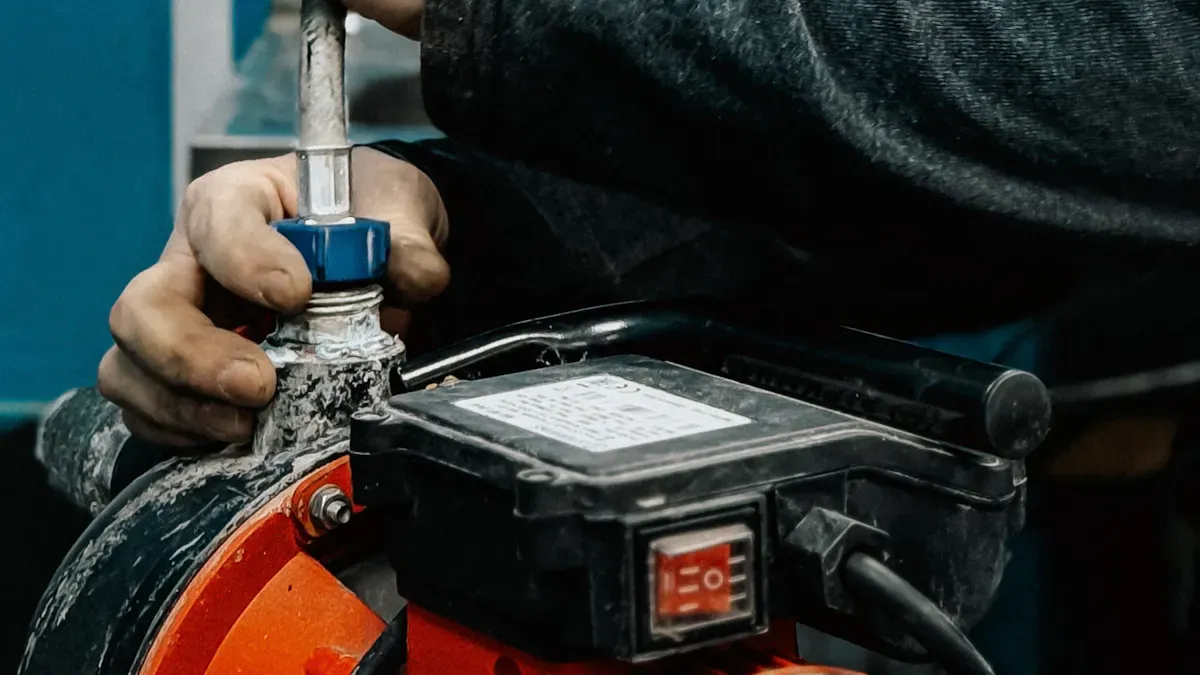
Start your step by step installation by carefully unboxing your JSL Fountain Stainless Steel Fountain Pump. Inspect every component for visible damage. Look for dents, cracks, or missing parts. Examine the pump body, tubing, fittings, and electrical cord. If you notice any issues, contact the supplier before proceeding. This initial check ensures you avoid problems later in the process.
Read the manufacturer’s instructions included with your pump. JSL Fountain provides clear guidance for assembly and operation. Familiarize yourself with each part and its function. Understanding the instructions helps you avoid mistakes and ensures a smooth installation. Keep the manual nearby for quick reference during the process.
Select the correct tubing size for your pump’s outlet. Cut the tubing cleanly and straight to create a watertight seal. Push the tubing firmly onto the pump’s outlet until it fits snugly. Use the appropriate fitting type—slip, insert, or threaded—based on your tubing and pump model. This step is crucial in learning how to install water fountain pump correctly.
Tip: Secure the tubing with a stainless hose clamp. Choose a clamp one size larger than your tubing for a tight fit. Tighten the clamp just enough to prevent leaks, but avoid over-tightening, which can damage the tubing.
Inspect all fittings for wear or damage before installation. Replace any worn O-rings to prevent leaks. Make sure the fittings are not under strain or pressure. Keep the tubing straight and avoid placing torque on the connections. Regularly check these areas during maintenance to ensure long-term reliability.
Use the correct fitting type for your tubing.
Secure tubing with hose clamps for a snug, leak-free connection.
Cut tubing straight and clean for the best seal.
Avoid bending or twisting the tubing at the fittings.
Position the pump at the center of the fountain basin. This placement ensures even water flow and reduces noise. Set the pump on a stable, level surface. If possible, use a gravel base to provide stability and filter out debris. A well-centered pump maximizes performance and extends the life of your fountain.
Place filter material around the pump to catch debris and prevent clogs. Use coarse filter pads or mesh bags filled with gravel. This step keeps your pump running smoothly and reduces maintenance needs. Maintaining a small amount of water in the basin after the pump shuts off helps protect the pump’s seals and ensures quieter operation.
Note: Proper assembly and placement are essential parts of how to install water fountain pump. Following these steps helps you achieve a professional result and enjoy reliable performance from your JSL Fountain pump.
You have now completed the core assembly steps. Continue to the next phase to connect power and bring your fountain to life.
Connecting the power supply is a critical step in how to install water fountain pump. You must follow safety guidelines to protect yourself and ensure reliable operation. The JSL Fountain Stainless Steel Fountain Pump features a robust electrical design, but you need to handle the cord and outlet carefully.
You should route the electrical cord with attention to both safety and aesthetics. Start by running the cord over the rim of the fountain basin. This prevents water from following the cord and reaching the outlet, which could cause electrical hazards. Secure the cord with cable clips or zip ties to keep it in place and reduce tripping risks.
Place the cord away from areas where pets or children play.
Avoid pinching or bending the cord sharply, as this can damage the insulation.
Use outdoor-rated extension cords only if absolutely necessary, and keep connections dry.
Tip: Inspect the cord regularly for signs of wear or damage. Replace it immediately if you notice fraying or exposed wires.
You can use the following table to check your cord routing:
Step | Action | Safety Benefit |
|---|---|---|
Over basin rim | Run cord above water level | Prevents water tracking |
Secure with clips | Attach cord to stable surfaces | Reduces tripping hazards |
Inspect regularly | Check for damage or wear | Maintains electrical safety |
You must plug the pump into a GFCI outlet. This outlet protects you from electrical shock by shutting off power if it detects a fault. Make sure the outlet is grounded and rated for outdoor use. Insert the plug firmly and check that the connection is dry.
Never use standard outlets for outdoor fountain pumps.
Test the GFCI outlet by pressing the "Test" and "Reset" buttons before you turn on the pump.
Keep the outlet cover closed to protect it from rain and debris.
Note: If you experience any issues when you turn on the pump, check the GFCI outlet first. Reset it if necessary and confirm that all connections are secure.
After you connect the power, you are ready to turn on the pump and observe the water flow. This step completes the electrical setup in how to install water fountain pump. You can now select the nozzle and adjust the diversion valve for your desired effect.
You need to fill your outdoor fountain basin with clean water before starting the pump. Check the manufacturer's recommended water level for your JSL Fountain Stainless Steel Fountain Pump. The water should cover the pump completely but not overflow the basin. Maintaining the correct water level prevents the pump from running dry and protects the seals. If you notice the water level dropping quickly, inspect for leaks or evaporation. Refill as needed to keep the system running smoothly.
You want your outdoor fountain to stay clear and free from algae or mineral buildup. Safe and effective water treatments help you achieve this goal. Consider these options:
Algaecides: Prevent and control algae growth when used as directed.
Clarifiers: Bind tiny particles for easier removal, keeping water sparkling.
Scale and Stain Preventers: Protect against mineral deposits and discoloration.
Biological Treatments: Use natural bacteria and enzymes to break down organic matter, offering an eco-friendly solution.
Chlorine-Based Treatments: Sanitize water but require careful use to avoid damaging fountain materials.
Tip: Always follow the product instructions for dosage and safety. Test water quality regularly, especially if your outdoor fountain operates in direct sunlight or warm climates.
After filling the basin, plug in the pump and observe the system closely. Inspect all connections, tubing, and the basin for signs of leaks. Look for water pooling around the pump or fittings. If you find any leaks, turn off the pump and reseal the affected areas before continuing.
A successful test run confirms that your outdoor fountain operates as intended. Use the table below to evaluate key indicators:
Indicator | Description |
|---|---|
Proper Water Flow | Water streams at the expected height and strength. |
Absence of Strange Noises | Pump operates smoothly without unusual sounds. |
No Leaks | No water pooling or leaking around the pump area. |
Normal Operating Temperature | Pump does not overheat during operation. |
Reduced Fountain Height | A drop in spray height may signal clogs or performance issues. |
Vibration | Minimal shaking indicates proper alignment and healthy parts. |
Note: Address any abnormal sounds, overheating, or vibration immediately. These signs may indicate installation errors or maintenance needs.
You can fine-tune the water flow to achieve your desired fountain effect. Many modern pumps, including the JSL Fountain model, support automatic controllers. These devices adjust water flow based on real-time data. They help you maintain the perfect display while preventing the pump from overworking. Automatic controllers also manage water levels, activating or deactivating the pump as needed. This feature protects your equipment from overheating or running dry and ensures efficient operation.
Select the nozzle that matches your preferred water pattern. Most outdoor fountain kits include several nozzle options. Try different nozzles to create a gentle cascade, a bubbling effect, or a dramatic spray. Adjust the nozzle position and angle for the best visual impact. Secure the nozzle tightly to prevent leaks or misalignment.
Tip: Experiment with settings and observe the results. Small adjustments can make a big difference in the appearance and sound of your fountain.
Even with a high-quality pump like the JSL Fountain Stainless Steel Fountain Pump, you may encounter occasional issues. Knowing how to troubleshoot common problems helps you keep your fountain running smoothly and extends the life of your equipment.
Troubleshooting Issue | Cause |
|---|---|
Dirty or Discolored Water | Filtration system or pump operation issues causing murky water |
Constantly Running Pump | Pressure settings or float switch problems |
Vibration | Alignment issues or worn-out parts |
Reduced Fountain Height | Clogs in the impeller or intake area |
Pump Won’t Start | Power supply issues or faulty connections |
If your pump fails to start, you can resolve most issues by following a systematic approach.
Start by checking the power source. Make sure the pump is plugged in and the outlet works. Pumps require full submersion in water to operate correctly, so confirm that the water level covers the pump. Inspect the pump’s intake and impeller for clogs or debris. Examine the pump and its components for visible damage. Mineral buildup can also affect performance, so clean any deposits you find.
Tip: Regularly check the water level, especially during hot weather, and clean the pump to prevent clogs.
If the pump still does not start, test the GFCI outlet. Press the "Test" button, then the "Reset" button to restore power. GFCI outlets protect you from electrical hazards by shutting off power when they detect a fault. If the outlet does not reset, consult a qualified electrician.
Low water flow can reduce the visual appeal of your fountain and may signal a maintenance need.
A clogged intake screen or filter often causes low flow. Remove the filter and rinse it thoroughly with clean water. Check for debris, sediment, or mineral buildup that could restrict water entry.
Inspect the tubing and impeller for blockages. Worn impellers or undersized pipes can also reduce flow. Voltage issues or pressure tank problems may affect performance in larger systems. If you notice a drop in fountain height, look for clogs in the intake area.
Use a pressure gauge to monitor system performance.
Perform a draw-down test to measure gallons per minute if you suspect pressure issues.
Note: Clean the pump and its components regularly. Using distilled water can help minimize mineral buildup.
Leaks can waste water and damage your fountain’s structure if left unaddressed.
To identify leaks, fill a bucket with water and place it on the top step of your fountain. Mark the water levels inside the bucket and the fountain. After 24 hours, compare the levels. If the fountain’s water drops more than the bucket’s, you likely have a leak.
Check seals, liners, and all connection points. Most leaks occur in the waterfall or stream area due to settling or debris.
Once you locate the leak, reseal the affected connections. Patch holes in liners or adjust boulders and liners in streams and waterfalls. Use waterproof sealant on all joints and fittings. Dye testing can help you pinpoint leaks without draining the fountain.
Alert: Address water loss immediately to prevent pump damage and protect aquatic life.
By following these troubleshooting tips, you can quickly resolve most common issues and keep your JSL Fountain pump performing at its best.
Proper maintenance keeps your JSL Fountain Stainless Steel Fountain Pump running efficiently and extends its service life. You can prevent most common issues by following a consistent cleaning and care routine.
You should clean the pump filter regularly to maintain optimal water flow and prevent clogs. A simple maintenance schedule helps you avoid unexpected breakdowns. Check the water level and clear the intake screen every week. This routine only takes a few minutes but protects your investment.
Maintenance Task | Frequency | Time Required | Prevents |
|---|---|---|---|
Check water level | Weekly | 1 minute | Dry running damage |
Clear intake screen | Weekly | 2 minutes | Flow reduction |
You should also clean filters and check nozzles during each inspection. Test basic control functions to ensure the pump operates as expected. Consistent attention to these details keeps your fountain performing at its best.
You need to keep the fountain basin clean to prevent algae, mineral buildup, and unpleasant odors. Use non-toxic and gentle cleaning methods to protect the stainless steel and surrounding environment. Avoid harsh household cleaners, which can damage surfaces and harm nearby plants or animals.
Drain and clean the basin regularly to remove debris and prevent clogs.
Use distilled or filtered water to minimize mineral stains and scale.
A clean basin not only improves the appearance of your fountain but also supports healthy pump operation.
Tip: Schedule basin cleaning at least once a month, or more often if you notice buildup or discoloration.
Cold weather can damage your fountain pump if you do not prepare properly. You should follow these steps before winter arrives:
Drain the water feature completely to prevent freeze damage.
Remove the pump and store it indoors, or insulate it if you plan to keep the fountain running.
Use a floating de-icer to keep water from freezing if you leave water in the basin.
Cover the fountain with a heavy-duty tarp to shield it from snow and ice.
These actions protect your pump and fountain structure from cracking or other weather-related damage.
When you store the pump for an extended period, clean and dry all components thoroughly. Place the pump in a dry, temperature-controlled area. Avoid storing the pump outdoors or in damp locations. Proper storage prevents corrosion and ensures your pump is ready for use when the next season begins.
Note: Regular maintenance and seasonal care guarantee reliable performance and long service life for your JSL Fountain Stainless Steel Fountain Pump.
You have learned how to install your JSL Fountain Stainless Steel Fountain Pump with confidence. Regular maintenance, such as cleaning the intake and impeller, keeps your pump running efficiently and extends its lifespan.
Inspect and clean intake ports to prevent debris buildup.
Keep your fountain running to reduce wear and tear.
Common Issue | Prevention Method |
|---|---|
Clogging | Clean pump and pipes; use a mesh screen |
Algae Growth | Use algaecides; replace water; add shade |
Water Evaporation | Monitor water levels; consider auto-refill |
Stale Water | Replace water monthly; clean basin |
Troubleshooting is part of ownership. Most issues resolve with simple checks, such as cleaning the intake or verifying power. Enjoy your new fountain and follow these tips for lasting performance.
You should clean your pump filter and intake every week. Regular cleaning prevents clogs and keeps water flowing smoothly. For best results, inspect the pump and basin monthly for debris or buildup.
Yes, you can run the JSL Fountain Stainless Steel Fountain Pump 24/7. The energy-efficient motor supports continuous operation. You should monitor water levels and perform routine maintenance to ensure optimal performance.
Use distilled or filtered water in your fountain. This reduces mineral buildup and keeps the pump running efficiently. Tap water may cause scale or stains over time.
Watch for reduced flow, unusual noises, or frequent shutdowns. If cleaning and troubleshooting do not restore performance, you may need a new pump. JSL Fountain pumps include a 2-year warranty for peace of mind.
Yes, the JSL Fountain Stainless Steel Fountain Pump is designed for outdoor fountains. The stainless steel construction resists corrosion. Always connect to a GFCI outlet for maximum safety.
Check for trapped air, debris, or low water levels. Clean the intake and ensure the pump sits level in the basin. Persistent noise may indicate a worn part that needs replacement.
You can adjust the flow using the built-in control valve. Try different nozzles to change the spray pattern. Experiment until you achieve your preferred look and sound.
You receive a 2-year comprehensive warranty with your JSL Fountain Stainless Steel Fountain Pump. This covers manufacturing defects and provides direct after-sales support.